
The ACSM's new strength guidelines, translated into numbers
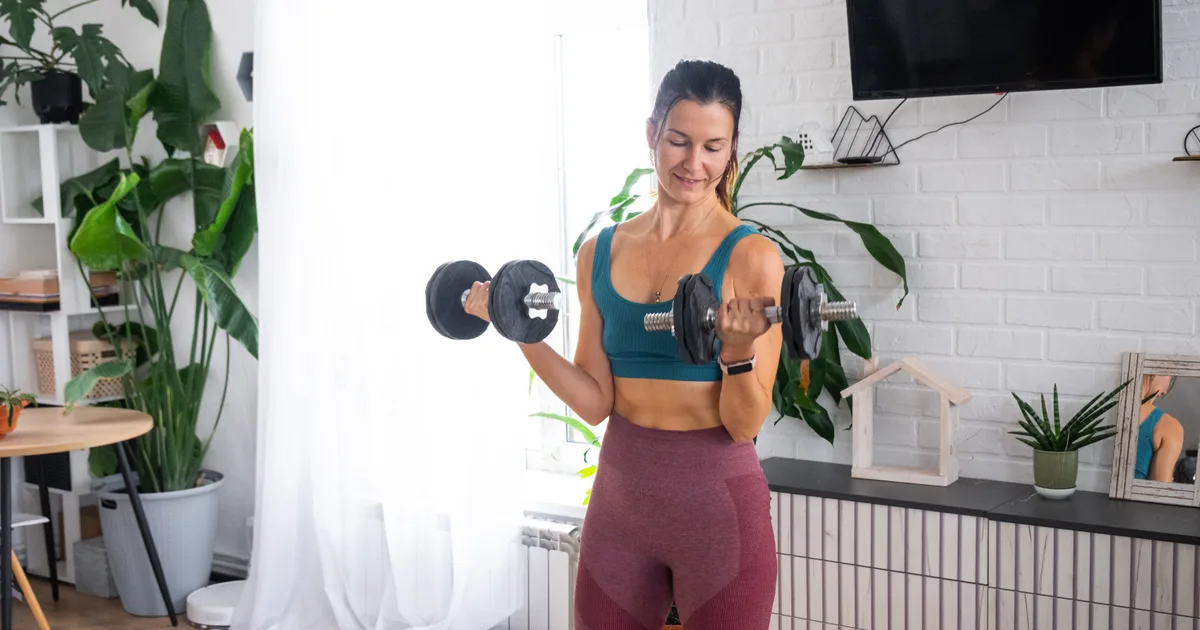
The American College of Sports Medicine has updated its resistance training guidelines seventeen years on. Here is what they say in figures you can use on Monday: how many days, how many sets, how much load, and why the gym has become optional.
The American College of Sports Medicine (ACSM) has just updated its resistance training guidelines for the first time in seventeen years. Seventeen. We have changed phones seven or eight times since then, yet we were still arguing in the changing room using 2009 recommendations.
What sits behind the document
The new position stand is not built on anyone's hunch, nor on a single study: it draws on 137 systematic reviews covering more than 30,000 participants. It is, essentially, a summary of almost everything ever researched about lifting weights. And the overall conclusion is rather reassuring: nearly everything we argue about matters less than we thought.
The numbers you can use on Monday
Frequency comes first, and here the guidance is blunt: every major muscle group, at least twice a week. Not two arm days and no leg days. All of them.
Then come the figures, depending on what you are after. For strength, 2 to 3 sets per exercise with heavy loads, around 80 % of your 1RM (the most you could lift once — no need to test it: it is the weight that has you struggling by the sixth or eighth rep). For muscle growth, weekly volume is what counts: roughly 10 sets per muscle group per week, spread however suits you. And for power, moderate loads of 30 to 70 % of your 1RM, moved as fast as you can on the way up.
The new guidance in five lines
- Twice a week, every major muscle group.
- Strength: 2-3 sets per exercise at around 80 % of 1RM.
- Muscle: about 10 sets per muscle group per week.
- Power: 30 to 70 % of 1RM, moved quickly.
- Resistance bands, bodyweight and your living room count just the same.
The gym is now officially optional
This is probably the most useful headline in the whole update: the ACSM concludes that elastic bands, bodyweight exercises and home-based routines deliver marked gains in strength, muscle mass and physical function. They are not a plan B for when you cannot get to the gym; they are simply a plan. If you have spent months putting off that membership, your last excuse has gone: three days a week in the living room with no kit at all already puts you inside the official recommendation.
And what you can stop doing
Training to failure on every set. Picking a side in the holy war between machines and free weights. Building periodisation schemes worthy of a shared spreadsheet. For a healthy adult, the impact of all that is inconsistent: sometimes it adds a little, sometimes nothing at all. What is worth keeping is the five-minute warm-up before your first set, which costs little and saves a lot of grief.
The best resistance training programme is the one you will actually stick with.
American College of Sports Medicine, 2026
Seventeen years of research to tell us that consistency beats sophistication. It may sound obvious, but there is something rather pleasing about it: the simple plan you could already be doing — two days, a handful of sets, some weight — is exactly the one the best available evidence recommends. All that is left is the hard part, which is starting it.
Turn those kilometres
into a medal.
Sign up for a Victoris challenge and every training session brings you closer to the medal delivered to your door.
More from the Victoris Diary
 Vida saludable
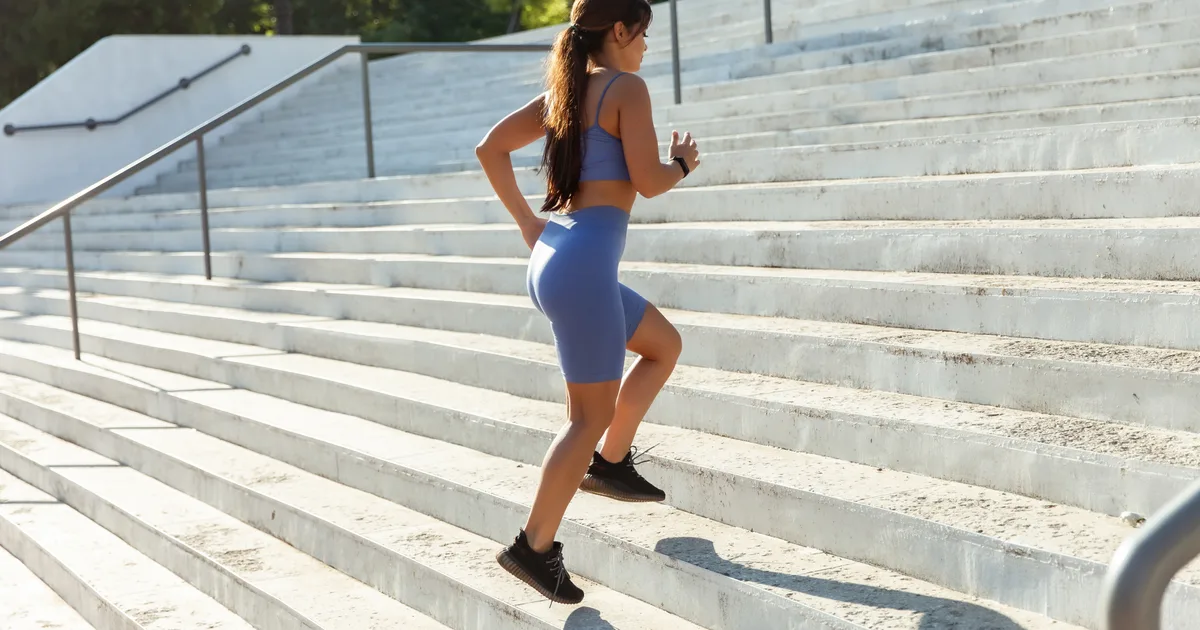
Exercise snacks: under a minute, several times a day
A meta-analysis of 27 trials and 970 adults puts figures to exercise snacks: bursts of under a minute spread through the day. They improve fitness, blood pressure and cholesterol. The scales, however, do not notice a thing.
 Competiciones
Behobia 2026: fourteen weeks to reach the Boulevard
The 61st Behobia-San Sebastián is run on Sunday 8 November. Fourteen weeks to go — not many, not few: exactly enough. Here is the plan, block by block, with the climbs, the descents and the taper in their proper place.
 Vida saludable
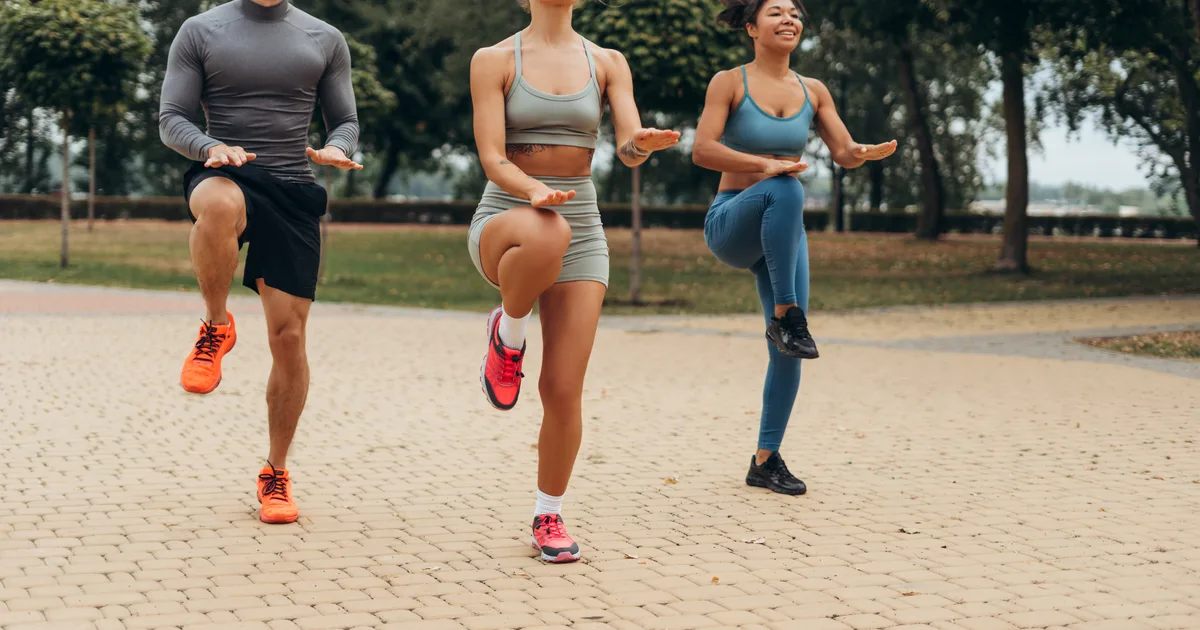
How Spain moves: the official figures, without the lecture
Six in ten Spaniards played sport last year and one in four does something every day, according to the 2024/25 Sports Habits Survey. We look at the numbers for what they are: a portrait, not an exam.