
Behobia 2026: fourteen weeks to reach the Boulevard
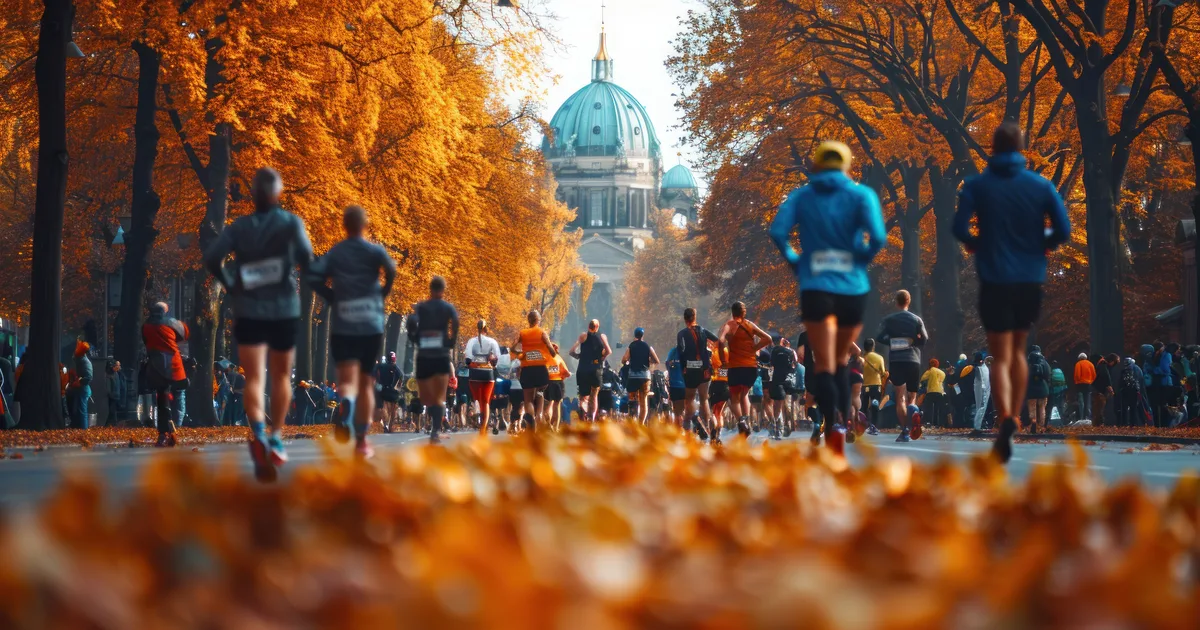
The 61st Behobia-San Sebastián is run on Sunday 8 November. Fourteen weeks to go — not many, not few: exactly enough. Here is the plan, block by block, with the climbs, the descents and the taper in their proper place.
On Sunday 8 November, twenty kilometres will separate Behobia from San Sebastián's Boulevard, and along the way thousands of people will be convinced that this time they really will pace it properly. From today, there are fourteen weeks left. Not many, not few: exactly enough.
What you are up against
The Behobia is not a flat race with sea views, whatever the photographs suggest. The Gaintxurizketa climb arrives in the first half, the long ascent that decides what sort of day you are going to have, and then, with more than fifteen kilometres already in your legs, come Capuchinos and the dreaded Miracruz, which is where the race turns properly serious.
And there is one detail almost nobody trains for: the descents. There is a great deal of downhill in the Behobia, and running it fast on unprepared quadriceps is the single most efficient way to reach the finish on wooden legs. We say this from other people's experience, obviously.
Block 1, weeks 1 to 4: base and shade
August in Spain has its own rules: you go out early or you do not go out. Three or four easy runs a week, the sort where you could tell someone your life story, plus a long run creeping up from 8 to 12 kilometres. No target paces, no intervals, no heroics. This block only asks that your body learns to tolerate the volume that is coming.
Block 2, weeks 5 to 8: the hills
September brings a dedicated hill session: 6 to 8 climbs of 45 to 60 seconds at a hard effort, jogging back down very gently to recover. Look for a hill that resembles Gaintxurizketa — long and steady — rather than a wall. The long run rises to 14 or 16 kilometres and every other day stays easy, however dull that sounds.
Two strength sessions you will not miss
This is where Miracruz is won and where the descents are survived. Squats, lunges, deadlifts or box step-ups, twice a week, heavy enough that the last reps cost you something. We have already told you that running more is not enough when what you lack is strength: on a course like this one, that difference shows up in exactly the final three kilometres.
Block 3, weeks 9 to 12: pace and descents
October is the key month. The long run reaches its ceiling, between 16 and 18 kilometres, and a pace session appears: two blocks of 15 to 20 minutes at the speed you think you can hold on 8 November, with five minutes of jogging in between. And on at least two days, include a long descent run at a comfortable pace but without braking: your quads need those rehearsals so they do not complain on race day.
The plan in four blocks
- Weeks 1-4: easy base, long run of 8 to 12 km and early starts.
- Weeks 5-8: one hill session (6-8 x 45-60 s), long run of 14 to 16 km.
- Weeks 9-12: long run up to 18 km, one pace session and downhill running.
- Weeks 13-14: cut volume by 30-40 % and keep a little sharpness.
- Two strength sessions a week throughout the plan.
Block 4, weeks 13 and 14: the taper
The last proper long run happens about twelve days out. From there volume drops by 30 to 40 %, but intensity does not vanish altogether: a few short pace changes keep the legs awake. The golden rule for these two weeks is boring and it works: nothing new. Not the shoes, not the gels, not the technical shirt somebody gave you on Thursday.
If you have no race number
General entries closed in the spring and places now only move through the waiting list, so this plan is mainly for those who already have theirs. If you missed out, there is an equally valid version: follow the plan anyway, find yourself twenty kilometres somewhere on that same Sunday and put next year's date in the diary. Nobody is going to ask for a race number before letting you enjoy autumn on the run.
Turn those kilometres
into a medal.
Sign up for a Victoris challenge and every training session brings you closer to the medal delivered to your door.
More from the Victoris Diary
 Vida saludable
How Spain moves: the official figures, without the lecture
Six in ten Spaniards played sport last year and one in four does something every day, according to the 2024/25 Sports Habits Survey. We look at the numbers for what they are: a portrait, not an exam.
 Superación personal
Victoris 2.5.0: real coins, an endless challenge and friends
On 31 July we released version 2.5.0. Metal coins you earn, a challenge with no finish line, 5 € for you and your friend, and an app rebuilt from top to bottom. Here is what changes and why.
 Vida saludable
How much protein you actually need if you train
Grams per kilo look tidy on paper, but how much is that in real food? We translate an athlete's protein target into ordinary breakfasts, lunches and dinners.