
Coffee before training: the dose that actually works
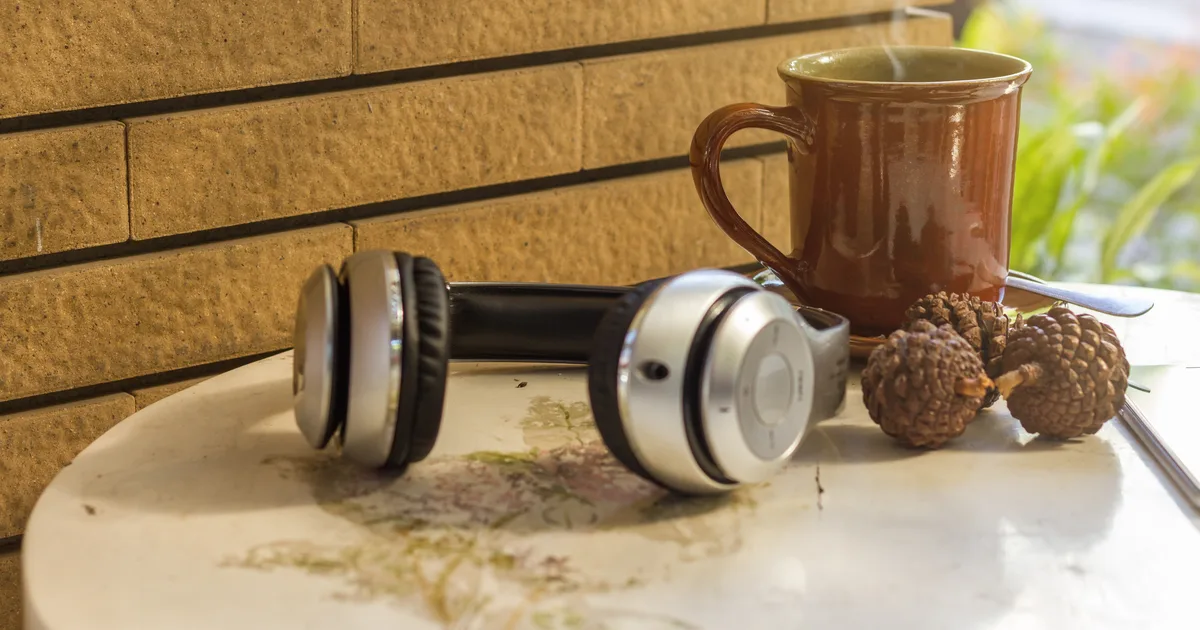
A review of 48 trials puts a number on caffeine for athletes: 4 to 6 mg per kilo. We translate that into real cups and explain why it might not suit you.
Caffeine is probably the only performance aid you already keep in the kitchen, it costs next to nothing, and it doesn't arrive in a tub with a heavily muscled man on the label. What almost nobody tells you is how much you actually need — and that's where most people either fall well short or wildly overshoot. Let's get to the numbers.
What the review says
A meta-review of 48 trials published in the journal Nutrients concludes that moderate caffeine doses, between 4 and 6 milligrams per kilo of body weight, produce improvements of around 2% in time-trial performance. The authors stress something important: you don't need an extreme dose to feel the effect, and there is in fact very little evidence about amounts above that 6 mg per kilo. Even considerably smaller intakes showed measurable benefits.
Two per cent sounds trivial until you apply it to your own numbers. Over an hour of racing that's more than a minute. Over a 50-minute 10K, a good half a minute. It isn't magic, but it's one of the few legal, cheap and well-evidenced things you can do on race day itself.
Translated into cups
Now for the awkward part. If you weigh 70 kilos, 4 to 6 mg per kilo means between 280 and 420 milligrams of caffeine. An espresso comes in around 60-80 mg and a large filter coffee can reach 120. In other words, the dose used in the studies is several coffees back to back — exactly the sort of plan that leaves your stomach in revolt and your heart rate at 120 while sitting on the sofa.
That's why many competitive athletes use gels or capsules with a measured amount, and why staying at the lower end makes perfect sense. As a safety reference, the European food safety authority considers that up to around 400 mg a day poses no problem for healthy adults, and around 200 mg in a single serving. Translation: don't drink the whole cafetiere, champ.
When to take it
Caffeine reaches peak blood concentration between 45 and 60 minutes after you drink it. That's your window: if your race starts at nine, the coffee goes down at eight. Downing it while queuing in the start pen is mostly ceremonial, plus an unnecessary risk of a technical stop at kilometre three.
How to test caffeine without ruining the big day
- Rehearse it in training, never for the first time in a race.
- Start at the low end of the range and only go up if it agrees with you.
- Count the caffeine in gels, fizzy drinks and chocolate too: it all adds up.
- Take it 45 to 60 minutes beforehand, not on the start line.
- If you train in the evening, watch the clock: sleep beats coffee.
- Shaking hands or a racing pulse mean you've gone past your limit.
Caffeine helps you squeeze out the fitness you already have. What it can't do is build it while you sleep.
The Victoris team
Why it works wonders for your training partner and not for you
Individual variability in the response to caffeine is enormous, and the review's authors say so plainly. Genetics play a part, so does the tolerance you've built up over years of coffee, and even how your stomach is behaving that day. Some people fly on two coffees; others spend the morning with palpitations and no ability to concentrate after just one. Neither of you is doing anything wrong — you're simply different.
The detail we always forget
Caffeine has a half-life of around five hours, so that six o'clock coffee before an evening session is still very much with you at bedtime. And there's the trap: sleeping badly will cost you far more than the 2% you gained in the morning. If you have to choose between the afternoon coffee and a good night's sleep, the answer is easy even when it isn't appealing. Now you know how much, when and what for. The rest, as ever, is kilometres for your Victoris challenge.
Turn those kilometres
into a medal.
Sign up for a Victoris challenge and every training session brings you closer to the medal delivered to your door.
More from the Victoris Diary
 potted_plantVida saludable
Sleeping well: the invisible training that pays off most
Sleep repairs muscles, balances hormones and fine-tunes your technique while you rest. Here is why sleeping well outperforms any supplement, and how to improve your sleep hygiene.
 potted_plantVida saludable
Five summer meals to recover without turning on the oven
Real quantities, no guesswork, and a formula for building your own plate from whatever's in the fridge. Because cooking anything hot in August is unthinkable.
 exerciseEntrenamiento
Running in 35-degree heat without dying trying
A 14-day acclimatisation plan, how much to actually drink, and the warning signs that mean stop. The Victoris practical guide to training through a Spanish summer.