
Running in 35-degree heat without dying trying
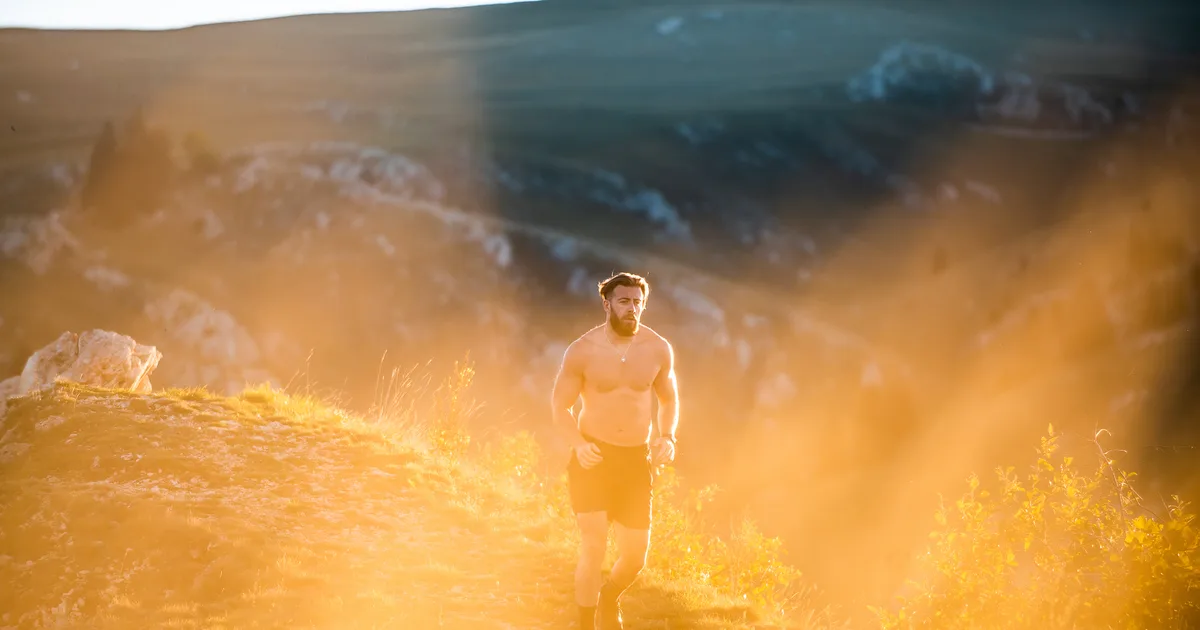
A 14-day acclimatisation plan, how much to actually drink, and the warning signs that mean stop. The Victoris practical guide to training through a Spanish summer.
August in Spain has one charming quirk: you want to keep training, and the street feels like an air fryer. You can write off the next six weeks, or you can do what the people who reach autumn intact do, which is to treat heat as what it is, another training load, and plan for it. Let's go with the second option.
Your body needs a fortnight, not a couple of days
Adapting to heat isn't a matter of mental toughness. It's a genuine physiological process: your plasma volume rises, you start sweating sooner and more efficiently, and you lose less salt along the way. All of that takes roughly fourteen days to bed in.
That's why the CorrerJuntos guide sets out a 14-day acclimatisation plan in two phases, opening with a 20-30% reduction in intensity. Yes, you'll be slower. That's the plan working, not the plan failing.
The two-phase acclimatisation plan
- Days 1 to 7: drop intensity by 20-30% and keep the volume. Conversational pace, no exceptions.
- Days 1 to 7: always head out at the same time, ideally the slot you'll use for the rest of the summer.
- Days 8 to 14: rebuild intensity gradually, starting with short progressive runs.
- Days 8 to 14: reintroduce a single quality session, and put it in the coolest part of the day.
- Throughout: if a day is markedly hotter than usual, repeat the previous day rather than progressing.
How much to drink, with numbers
This is where most people improvise and later pay for it. The practical reference is 150 to 250 ml every 15-20 minutes of running. A proper mouthful, not a symbolic sip.
And beyond 30 minutes of running, that drink should carry electrolytes rather than being plain water. When you sweat you don't only lose fluid, you lose sodium. Replacing water alone for a long time in serious heat is a remarkably efficient way to end up dizzy and cramping despite drinking constantly.
The time of day decides almost everything
Heading out at seven in the morning or at three in the afternoon isn't the same session in different light: it's a different sport. The 6:00 to 8:00 window is the safest, with the lowest temperatures and the cleanest air. The 12:00 to 17:00 window is simply the worst, with solar radiation at its peak and the tarmac behaving like a griddle.
If the afternoon is genuinely your only option, find continuous shade, lower your pace expectations and cut the session short. That isn't giving up; it's refusing to throw away a fortnight's work on one badly placed run. Add light-coloured technical kit, which reflects radiation better, and a cap if you'll be exposed.
Signs to stop immediately
- Dizziness or a feeling of unsteadiness.
- Confusion, or difficulty holding a thought together.
- Excessive sweating, or the opposite: sweating stopping abruptly.
- Goosebumps or shivering in 35-degree heat.
- A headache that appears from nowhere mid-session.
In the heat, the goal of a session stops being pace and becomes finishing in a fit state to train again tomorrow.
The Victoris philosophy
And one concession we'll grant you
Your July and August times don't count. Genuinely. Comparing your pace in heat and humidity against your best spring month is a foolproof recipe for demoralising yourself over something you're doing well. File the data away, follow the plan, and do your judging in October, when the thermometer stops playing against you.
Turn those kilometres
into a medal.
Sign up for a Victoris challenge and every training session brings you closer to the medal delivered to your door.
More from the Victoris Diary
 diamond_shineSuperación personal
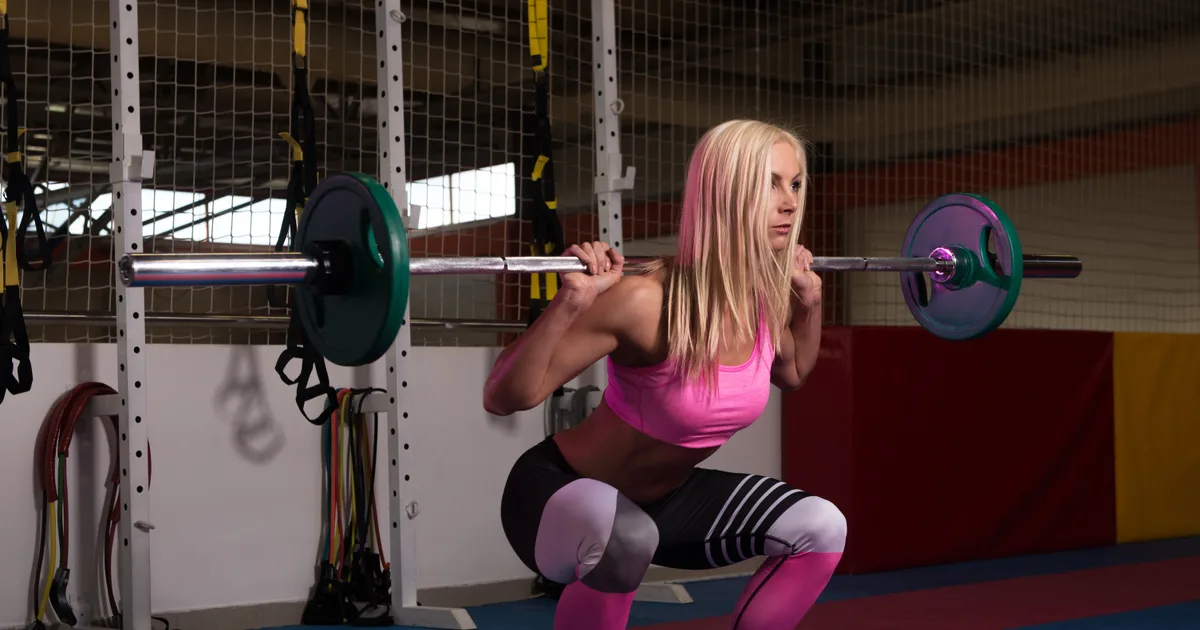
Running more isn't enough: why you're missing the weights room
A study in the British Journal of Sports Medicine confirms that planned strength work improves your running economy and protects you from injury. And no, it won't make you slow.
 diamond_shineSuperación personal
Twice a week: what exercise actually does for your head
A review of 32 studies covering more than 3,000 adults confirms that exercise eases depression and anxiety. The good news is how little it takes.
 diamond_shineSuperación personal
Eight hours in a chair aren't undone by 45 minutes at the gym
Training in the evening is great, but it doesn't cancel out the rest of your day. Here's why your body needs frequent interruptions, and how to slip in five minutes of movement every hour without making a scene.