
Training in summer without melting: the anti-dehydration guide
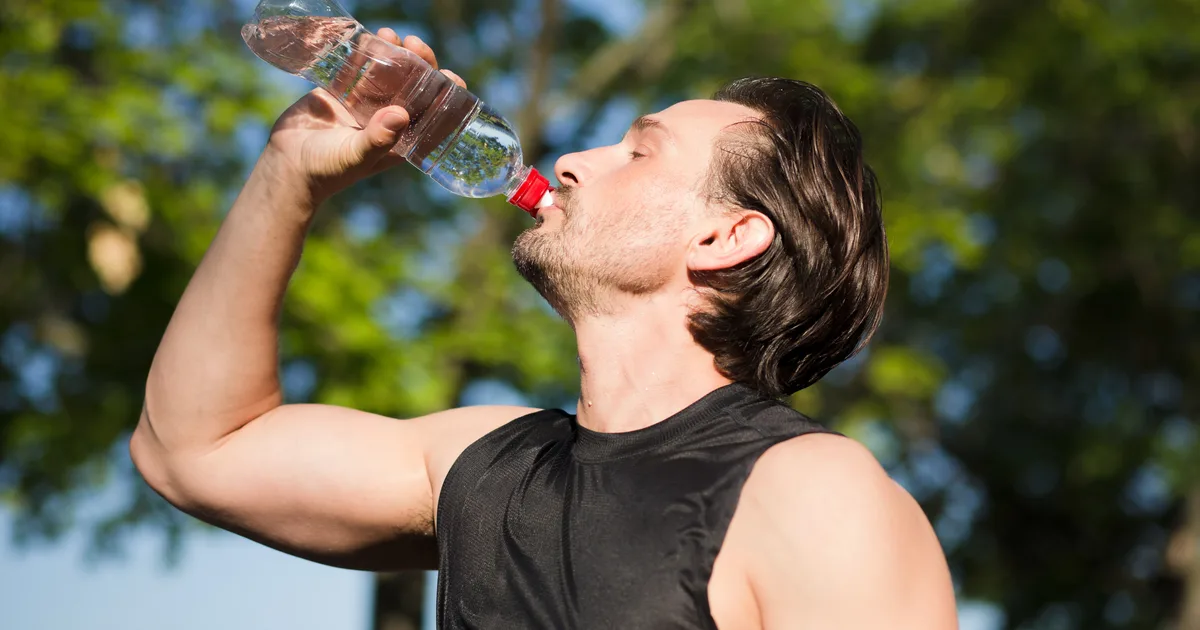
In July the heat shows no mercy. Here are the dehydration signs people ignore and when water is enough versus when you need electrolytes.
July arrives with its glorious mornings and its thirty-something-degree afternoons that melt you the moment you step outside. Training in summer is entirely possible — even enjoyable if you use your head — but the heat doesn't forgive slip-ups. Dehydration is silent, sneaky and drops your performance before you notice. Let's keep you from melting halfway through your session.
Drink before you're thirsty
Here's the classic mistake: waiting until you're thirsty to drink. By the time thirst shows up you're already behind, because it's a sign dehydration has begun. The sensible strategy is to hydrate before, during and after exercise, in small sips, without waiting for your body to sound the alarm. As a general reference, around 2 to 2.5 litres of water a day is the usual figure, and quite a bit more if you train hard or sweat buckets.
The signs almost everyone ignores
Dehydration doesn't always shout; sometimes it whispers. Pay attention, because losing just 2% of your body weight in sweat already penalises your performance. Learn to spot the red flags before things escalate, so you know when to ease off the pace or stop in the shade.
Signs you need to hydrate right now
- Obvious thirst, dry mouth and thick saliva.
- Headache, dizziness or feeling foggy.
- Dark, scarce urine (pale urine is a good sign).
- Cramps, fatigue that doesn't match the effort, or very hot skin.
- Your heart rate spikes and a pace that used to be easy now feels hard.
Water isn't the reward after your session: it's part of the session. Treat it like your trainers, not an optional extra.
Sporting common sense
Water or electrolytes?
This is where people fret more than they need to. For most sessions under an hour, water is more than enough. Electrolytes (sodium, potassium and company) come into play when the effort is long, very intense or you're sweating heavily, because with sweat you lose not only water but salts too. In those cases, an electrolyte drink helps replace what's gone and stave off cramps. And you don't have to rely only on a bottle: water-rich fruit and veg like watermelon, melon or cucumber hydrate you and throw in minerals for free.
Tips so you don't obsess
Hydrating well doesn't mean living glued to a bottle in a panic. Train first thing or at sundown, dodge the middle of the day, seek shade, wear light breathable clothing, and go easy on caffeine and, of course, alcohol, which both work against you. With a little planning, summer stops being your enemy and becomes the perfect excuse to train early and enjoy breakfast afterwards with the satisfaction of a job done.
Turn those kilometres
into a medal.
Sign up for a Victoris challenge and every training session brings you closer to the medal delivered to your door.
More from the Victoris Diary
 diamond_shineSuperación personal
Strength at home for beginners: a 3-day, no-kit routine
No gym, no dumbbells: just your body and 40 minutes. A 3-day strength plan to start from scratch and build muscle (and years of life).
 diamond_shineSuperación personal
Lifting weights adds years to your life: science says so
A study of nearly 5,500 older women links greater muscle strength with lower mortality. Here is why strength training is an investment in years of life, plus ideas to do it at home.
 diamond_shineSuperación personal
Start running from scratch: your injury-free 10-week plan
A progressive ten-week plan that mixes walking and jogging so you go from the sofa to running 40 minutes non-stop, injury-free and without dying trying.